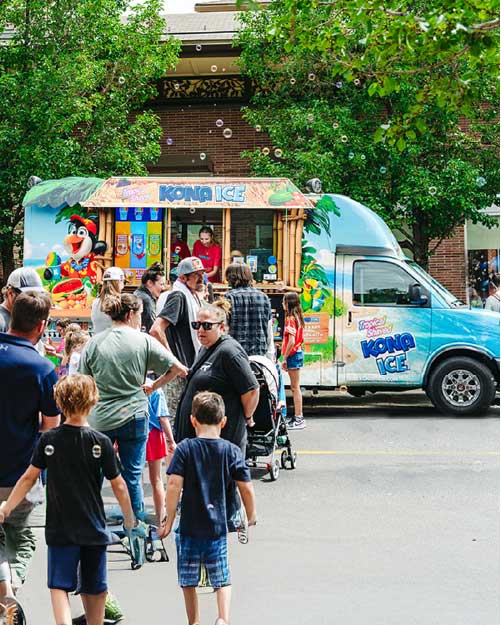
Brick-and-Mortar vs. Food Truck:
Which is Right for Your Food & Beverage Business?

For entrepreneurs looking to break into the food and beverage industry, one of the biggest decisions is whether to open a brick-and-mortar restaurant or launch a food truck. Each option comes with its own set of challenges and opportunities, and choosing the right path can be the difference between long-term success and financial strain. Let’s break down the key factors to consider when deciding between a traditional restaurant and a mobile food business.
The Challenges of Brick-and-Mortar Restaurants
Opening a restaurant is a dream for many, but it comes with significant commitments and risks. Some key challenges include:
- Long-Term Leases & Real Estate Costs: Most restaurants require lengthy lease agreements, sometimes locking you into a location for 5–10 years. If foot traffic doesn’t meet expectations, you may find yourself struggling to cover rent with no easy way out.
- Site Selection Risks: Location is everything in the restaurant business. Choosing the wrong spot—whether due to low visibility, lack of parking, or shifting neighborhood dynamics—can be a death knell before you even get off the ground.
- High Startup & Operating Costs: Beyond rent, restaurants require significant capital for buildout, kitchen equipment, furniture, and décor. Ongoing costs such as utilities, insurance, and inventory management can quickly add up.
- Larger Footprint = More Maintenance: With a bigger physical space comes greater maintenance needs, from plumbing and HVAC to regular wear-and-tear repairs. Managing a full-scale restaurant requires constant upkeep.
- Extensive Staffing Needs: A traditional restaurant typically requires both front-of-house (servers, hosts, bartenders) and back-of-house (chefs, dishwashers, line cooks) staff. Managing a large team adds another layer of complexity and cost.
The Advantages of a Food Truck
If the challenges of a brick-and-mortar restaurant seem daunting, a food truck offers an appealing alternative with greater flexibility and lower overhead. Here’s why many entrepreneurs are opting for the mobile route:
- Lower Overhead & Startup Costs: While purchasing and outfitting a food truck still requires an investment, it’s significantly lower than securing and building out a traditional restaurant space. No expensive lease agreements, no massive real estate commitments.
- Freedom to Move & Pivot: Unlike a fixed-location restaurant, a food truck allows you to pivot based on demand. If one location isn’t working, you can move to another. High foot traffic events, festivals, and pop-ups become instant revenue opportunities.
- Lean Operations & Lower Payroll Costs: A food truck typically operates with a much smaller staff, often just the owner and a couple of employees. This significantly reduces payroll expenses compared to a full-service restaurant.
- Set Your Own Hours: Unlike a brick-and-mortar restaurant that must maintain regular business hours (even during slow periods), a food truck owner can operate only during peak times. This means working smarter, not harder.
- Easier Expansion Opportunities: If your food truck concept gains traction, it’s often easier to scale by adding additional trucks rather than investing in another full-scale restaurant location.
The Bottom Line: Which Should You Choose?
If you’re drawn to the idea of a permanent space where customers can gather and dine, and you have the financial backing to support it, a brick-and-mortar restaurant might be the right fit. However, if you want flexibility, lower startup costs, and the ability to go where the demand is, a food truck offers a compelling alternative.
For many entrepreneurs, a food truck provides an opportunity to test a concept before committing to a full-scale restaurant. The mobility, lower costs, and ability to directly engage with customers make it an attractive choice. If you’re considering launching a mobile business, a great starting point is reviewing Entrepreneur’s Franchise 500 List or exploring opportunities at rollbrands.com.
Whichever path you choose, success comes down to great food, strategic planning, and a commitment to serving your customers in the best way possible!
Ready to Roll?
Address